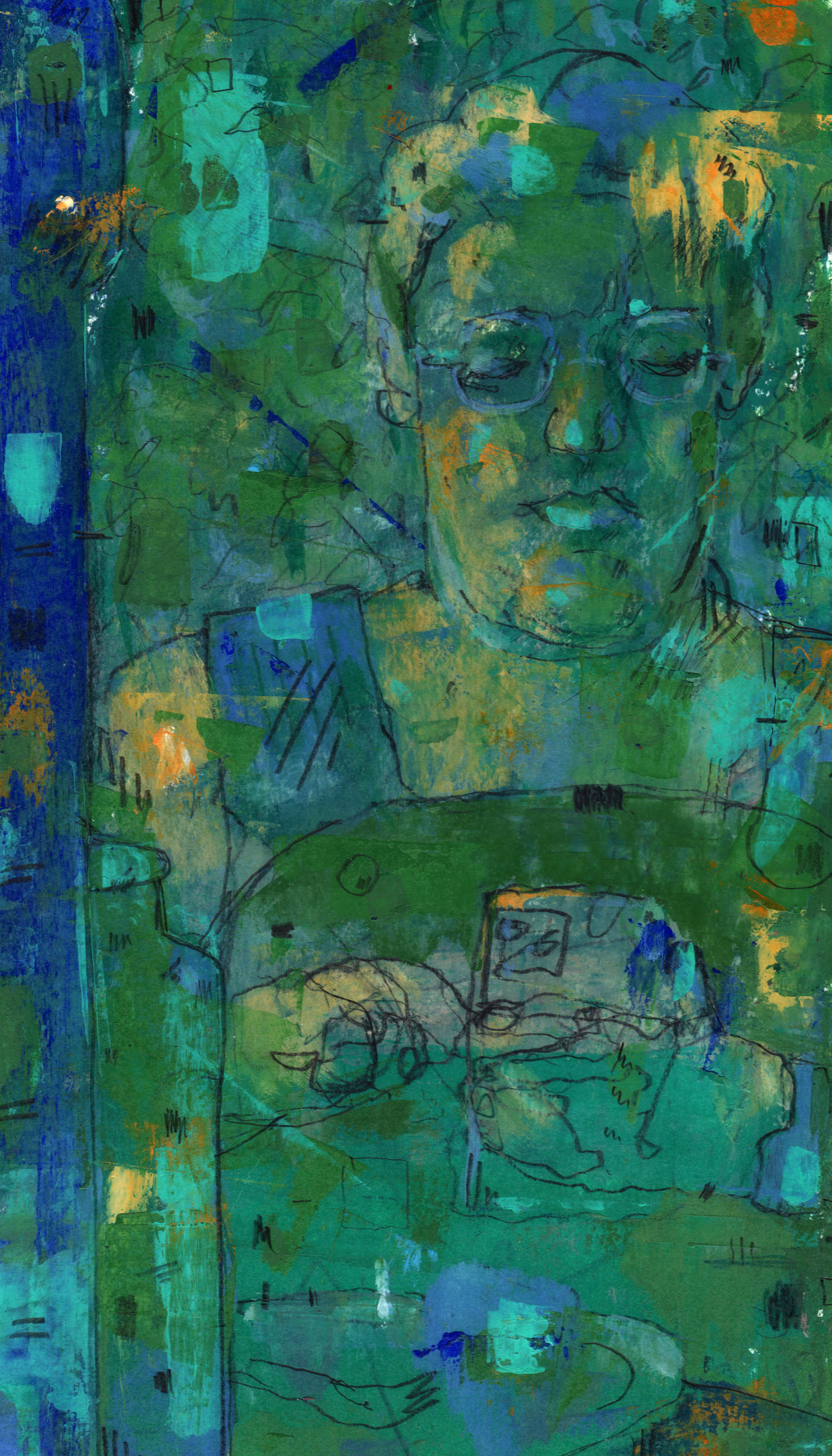
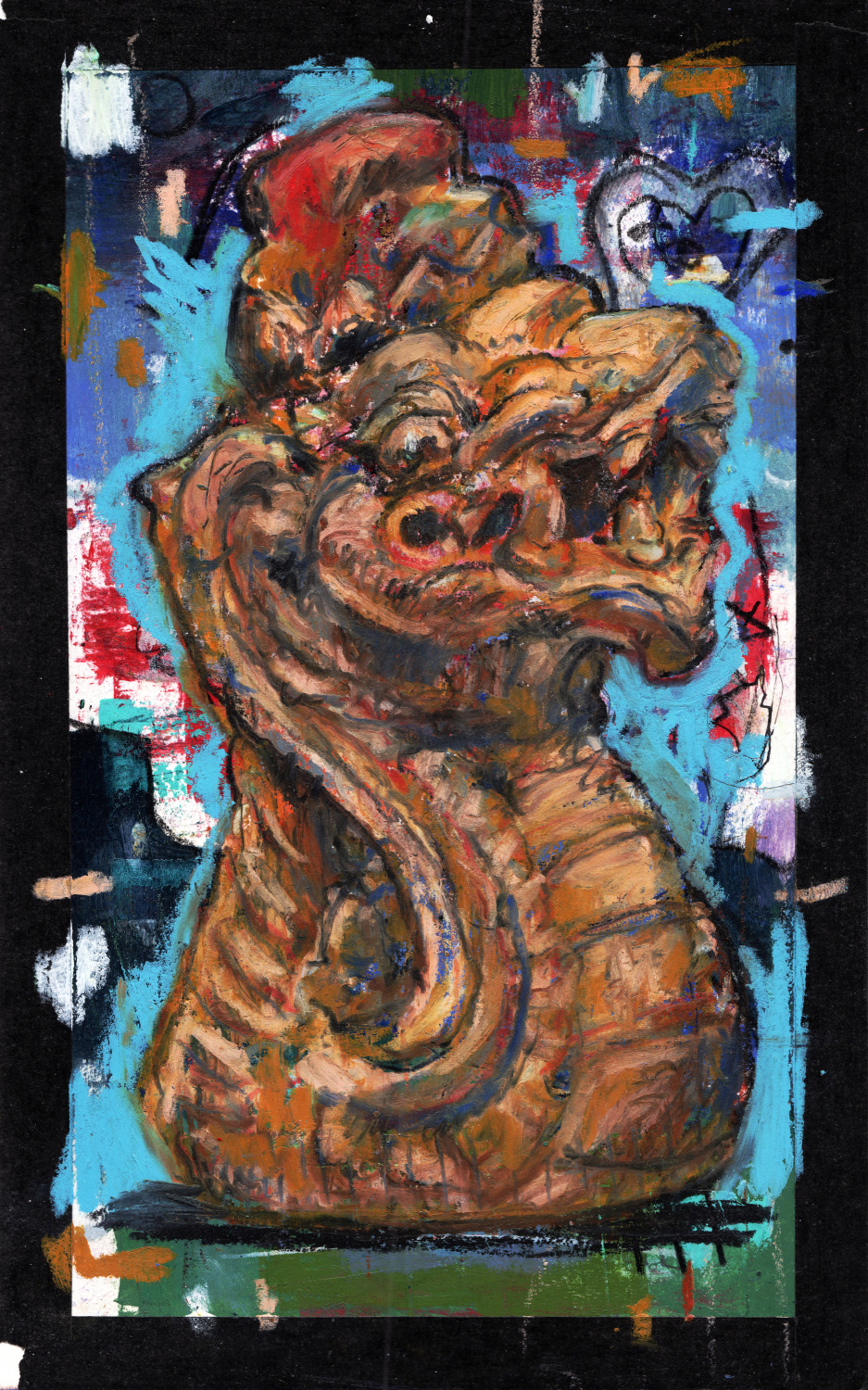
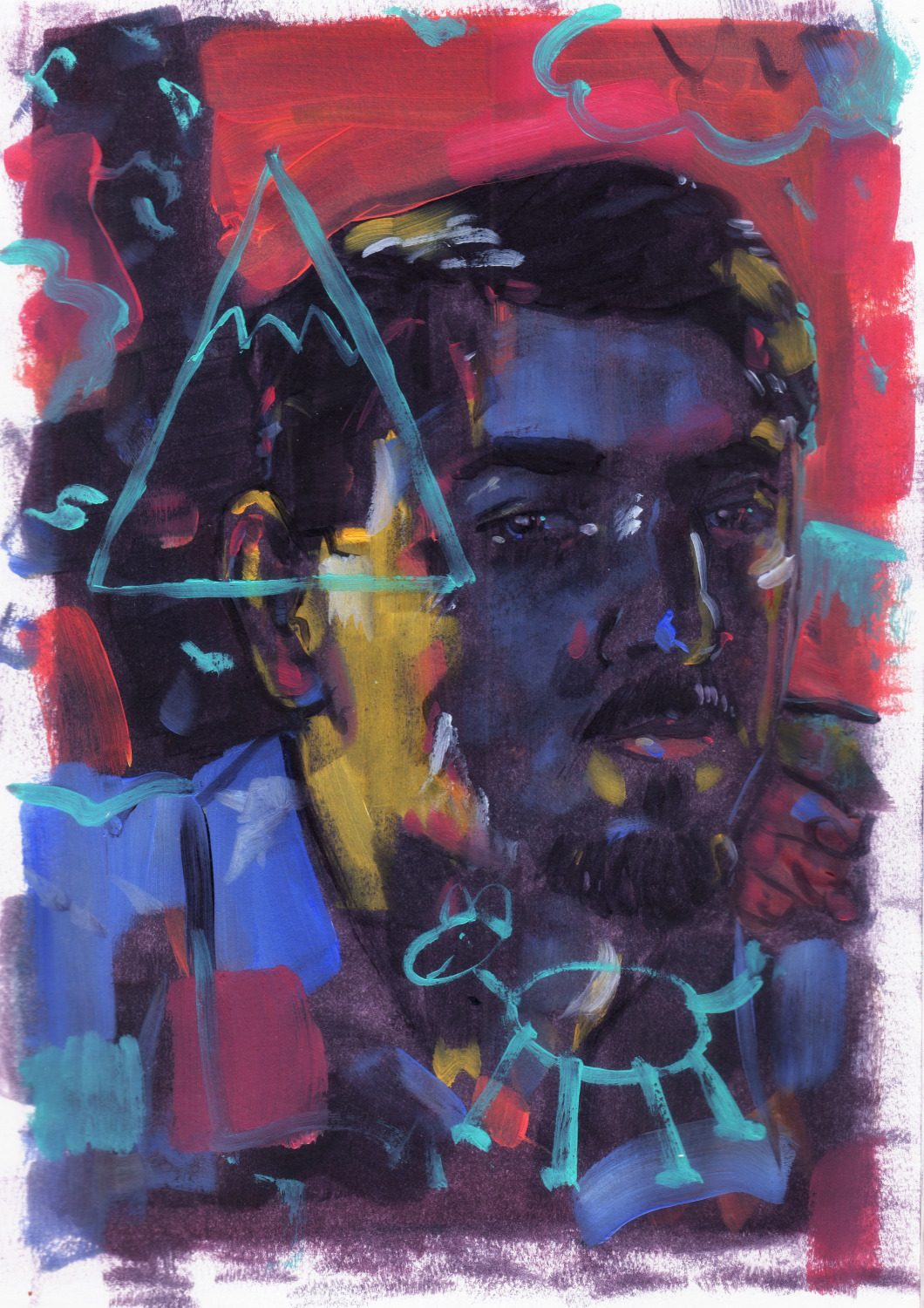
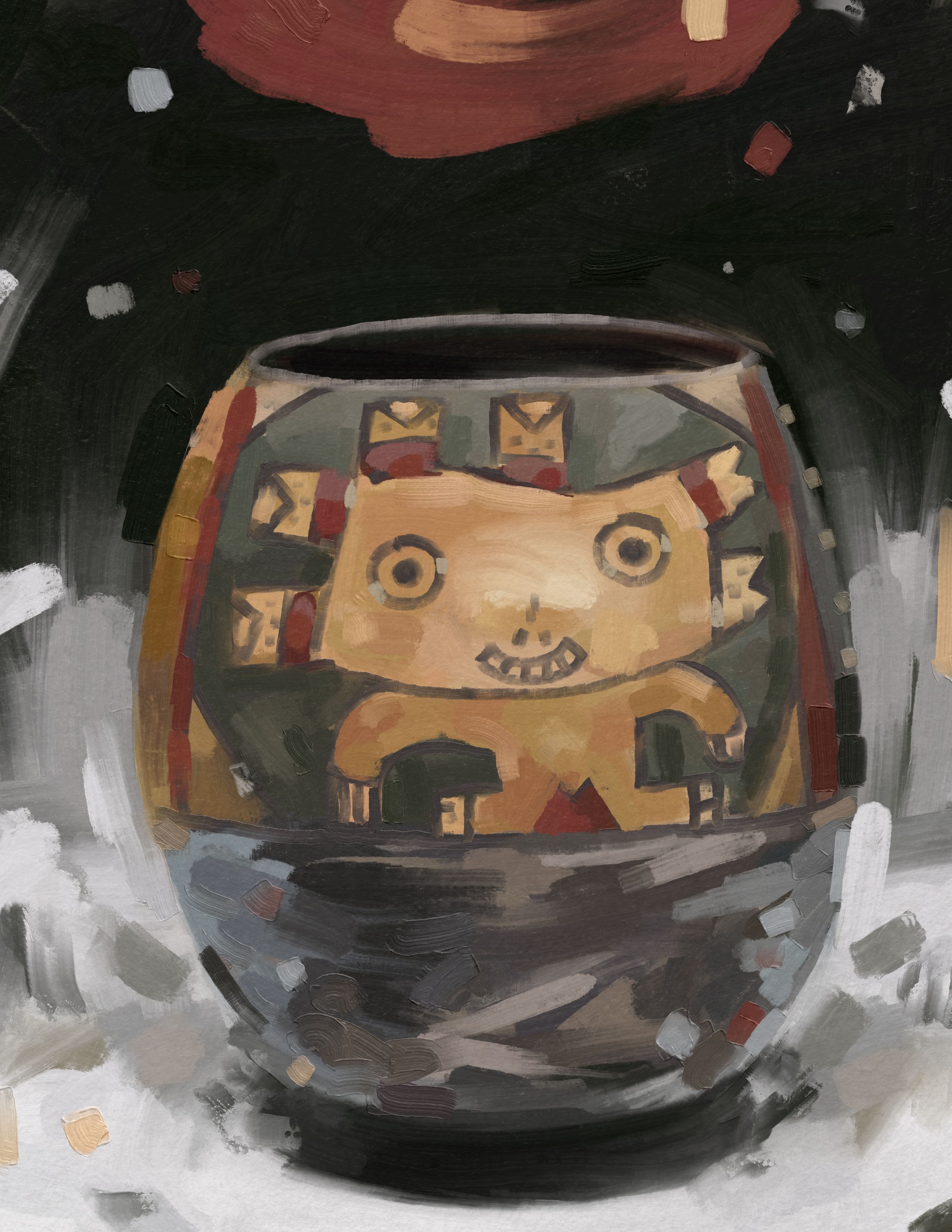
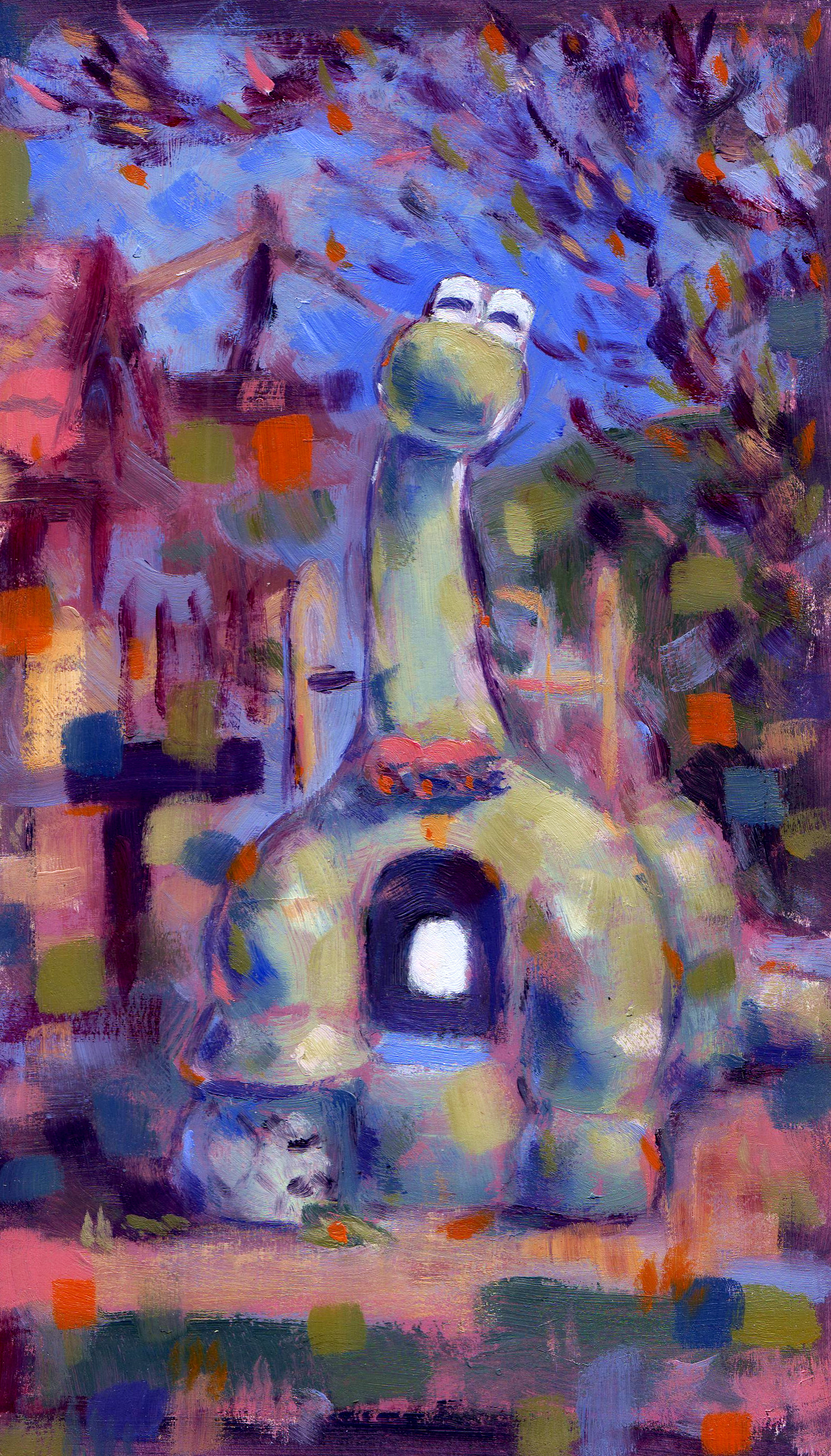
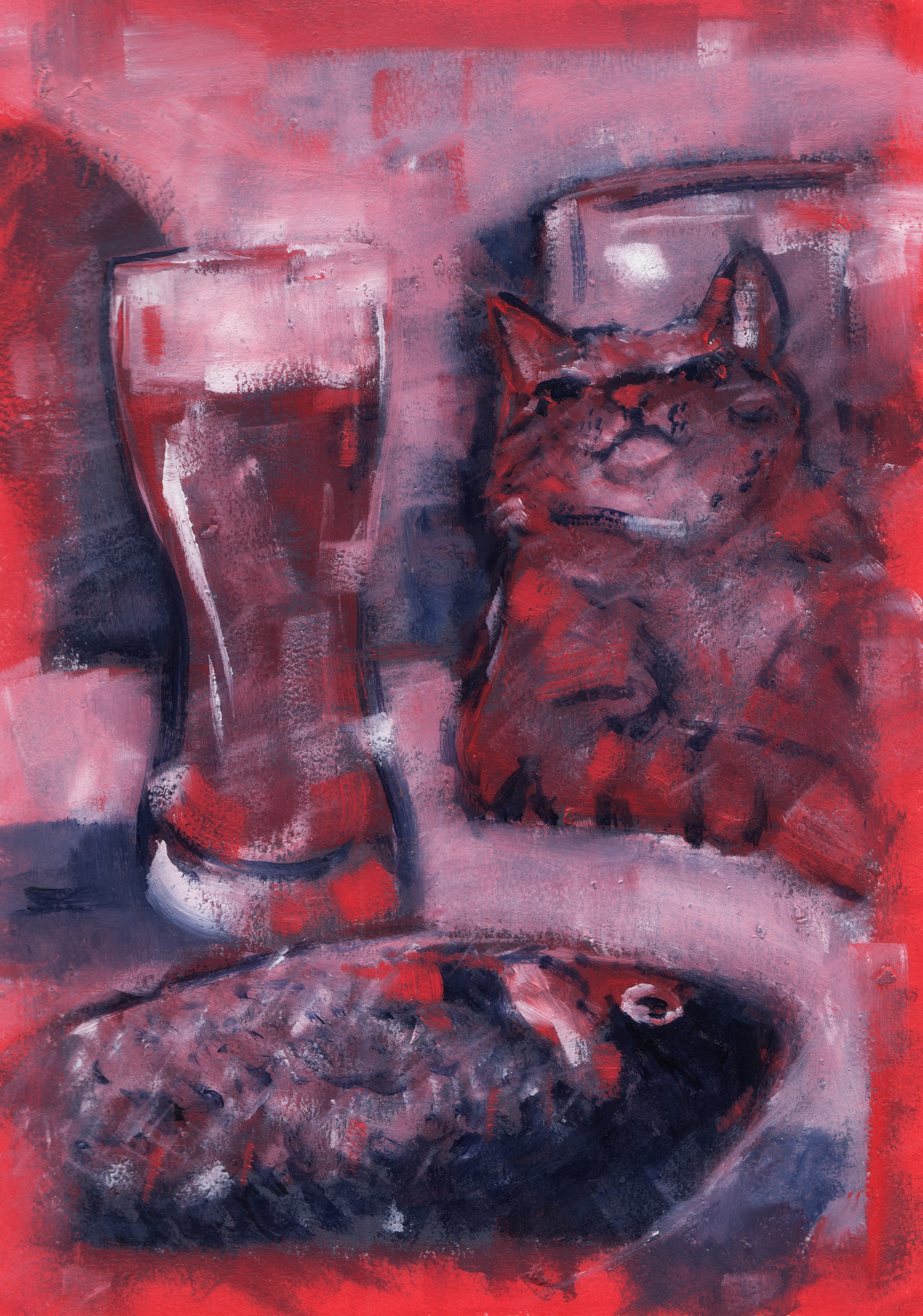
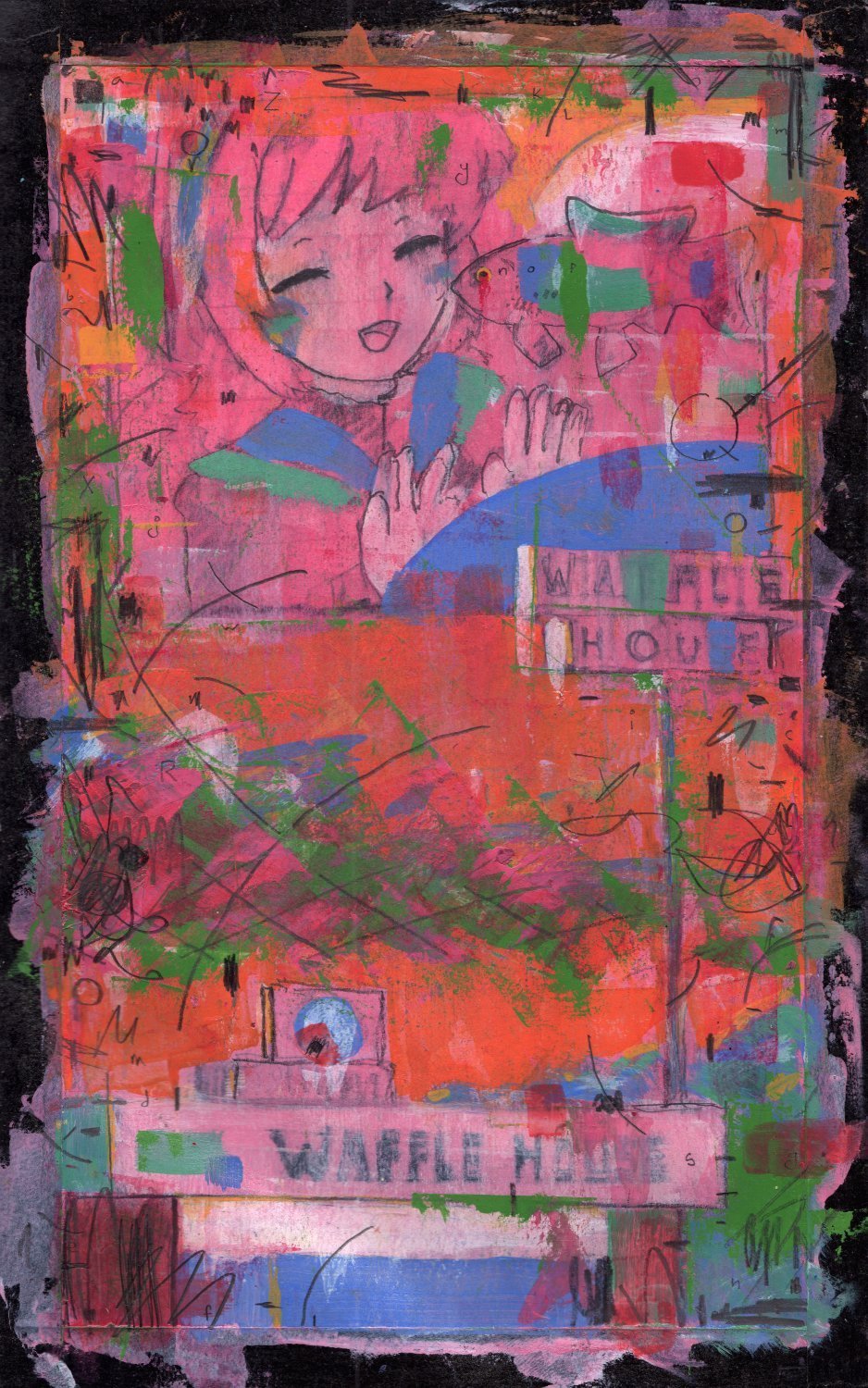
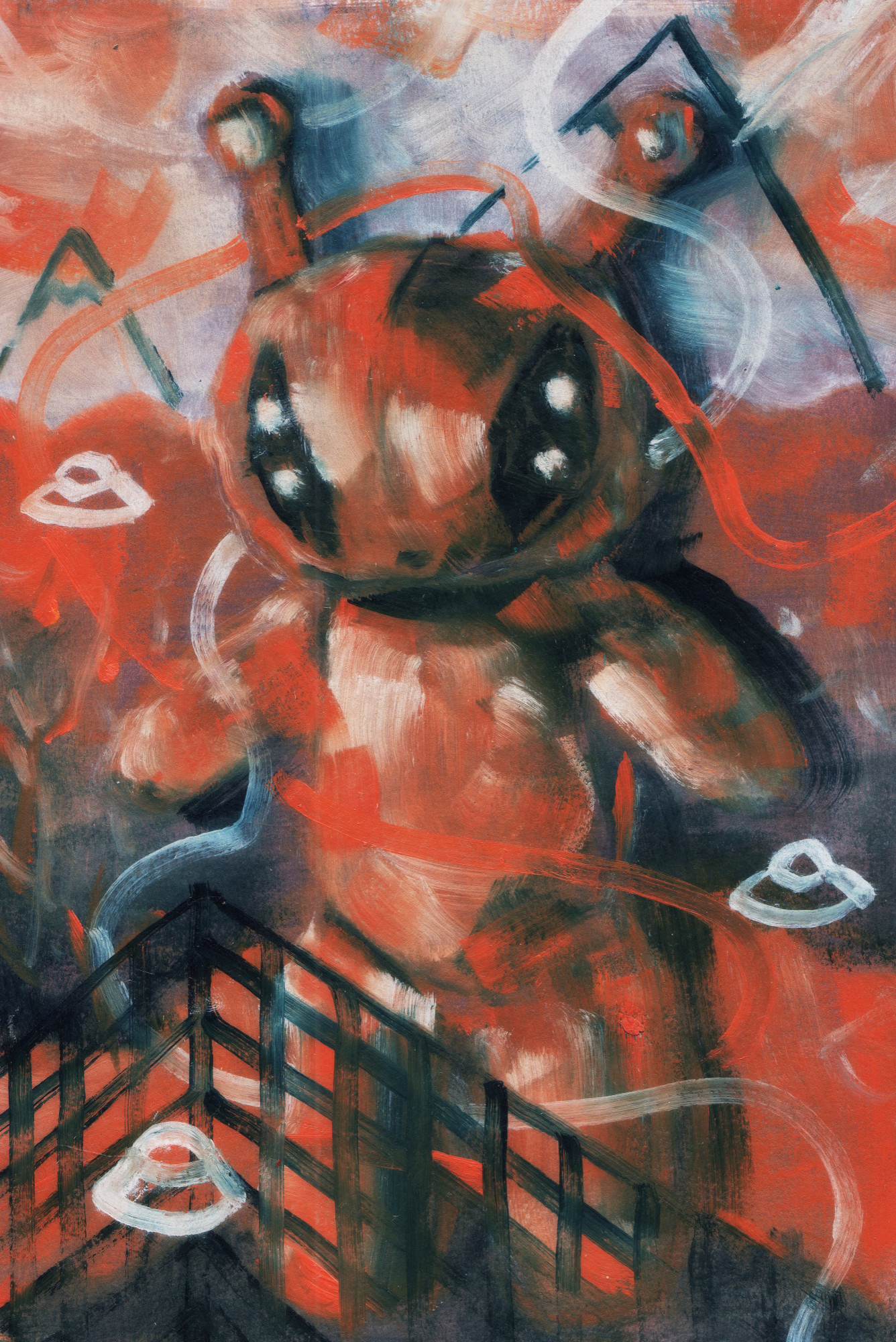
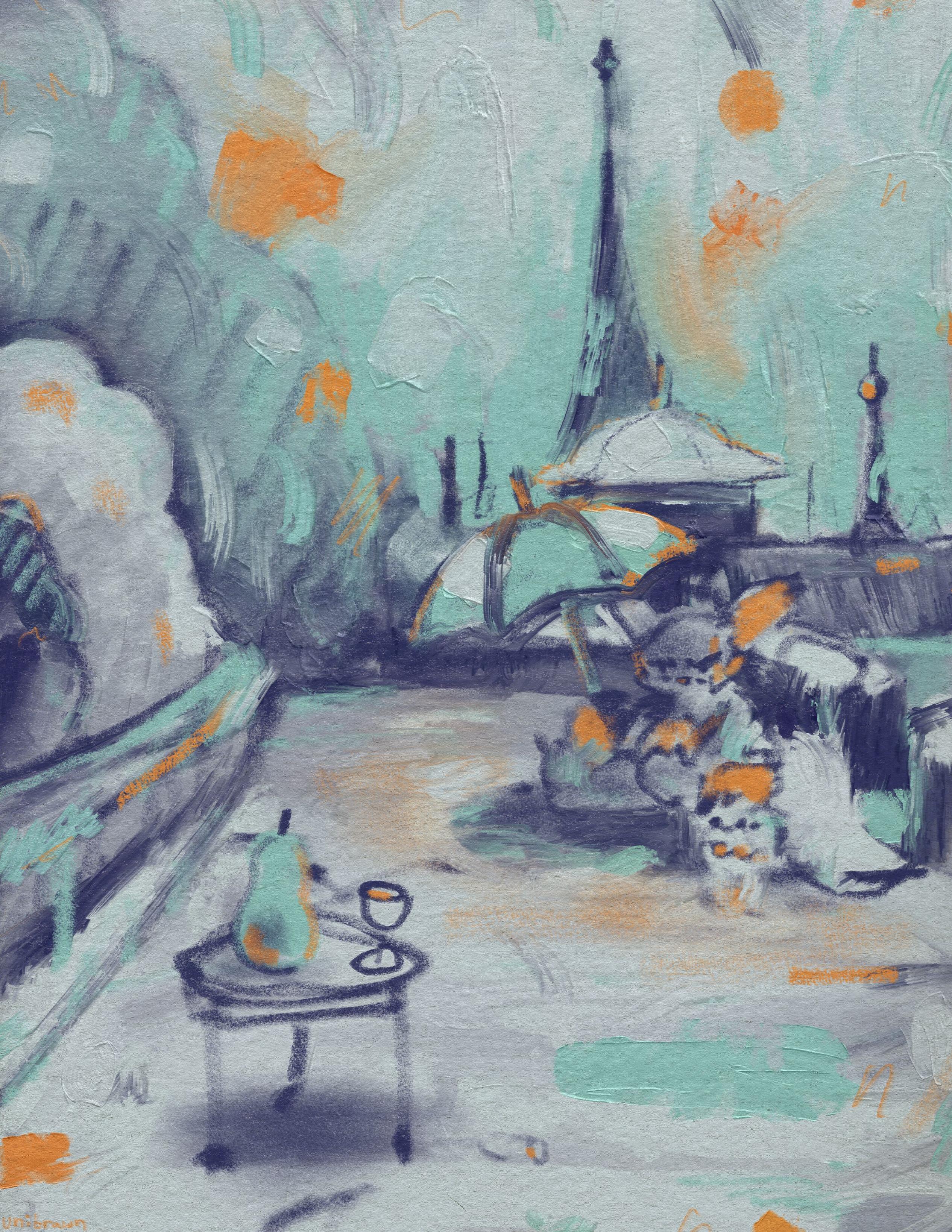
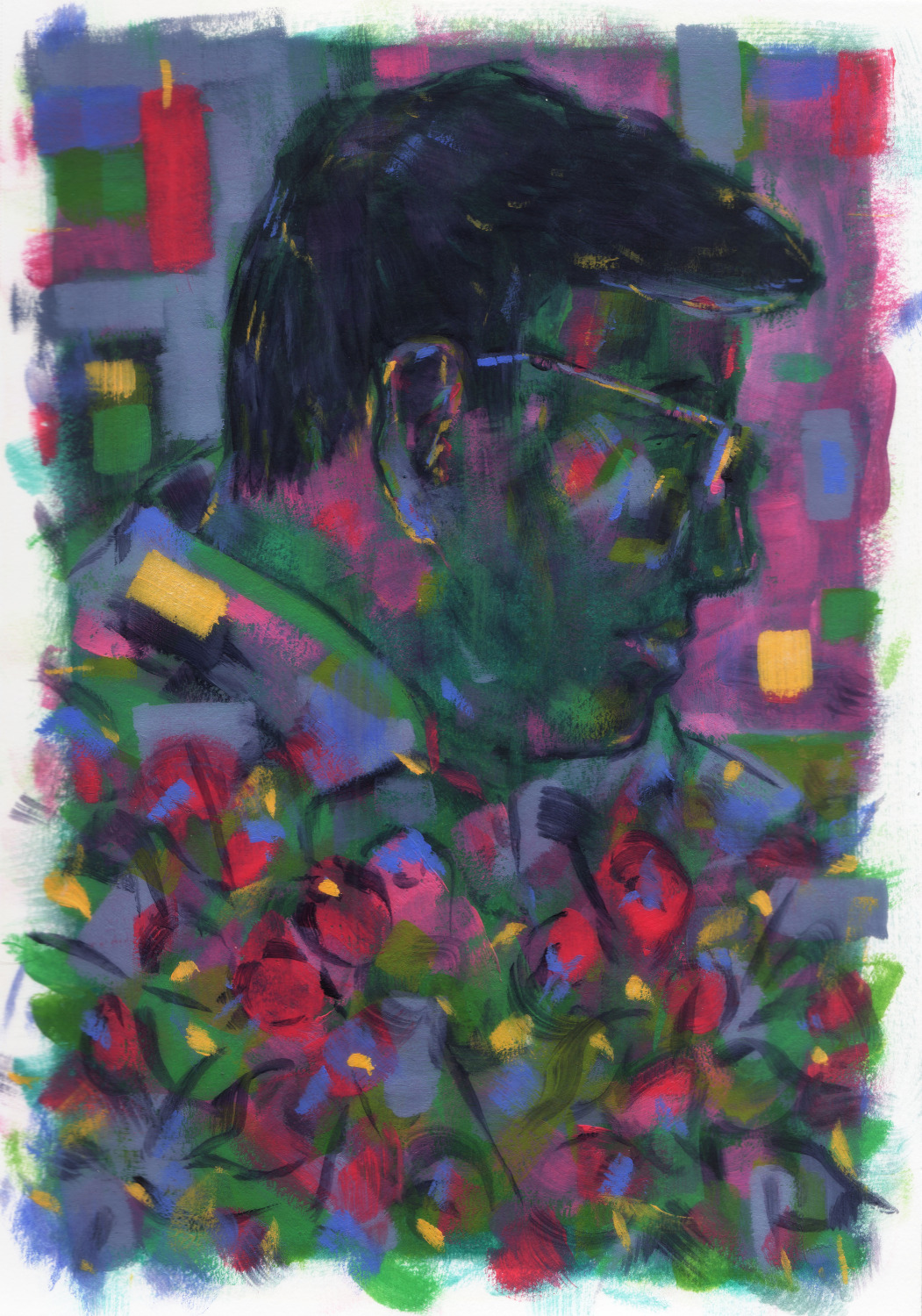
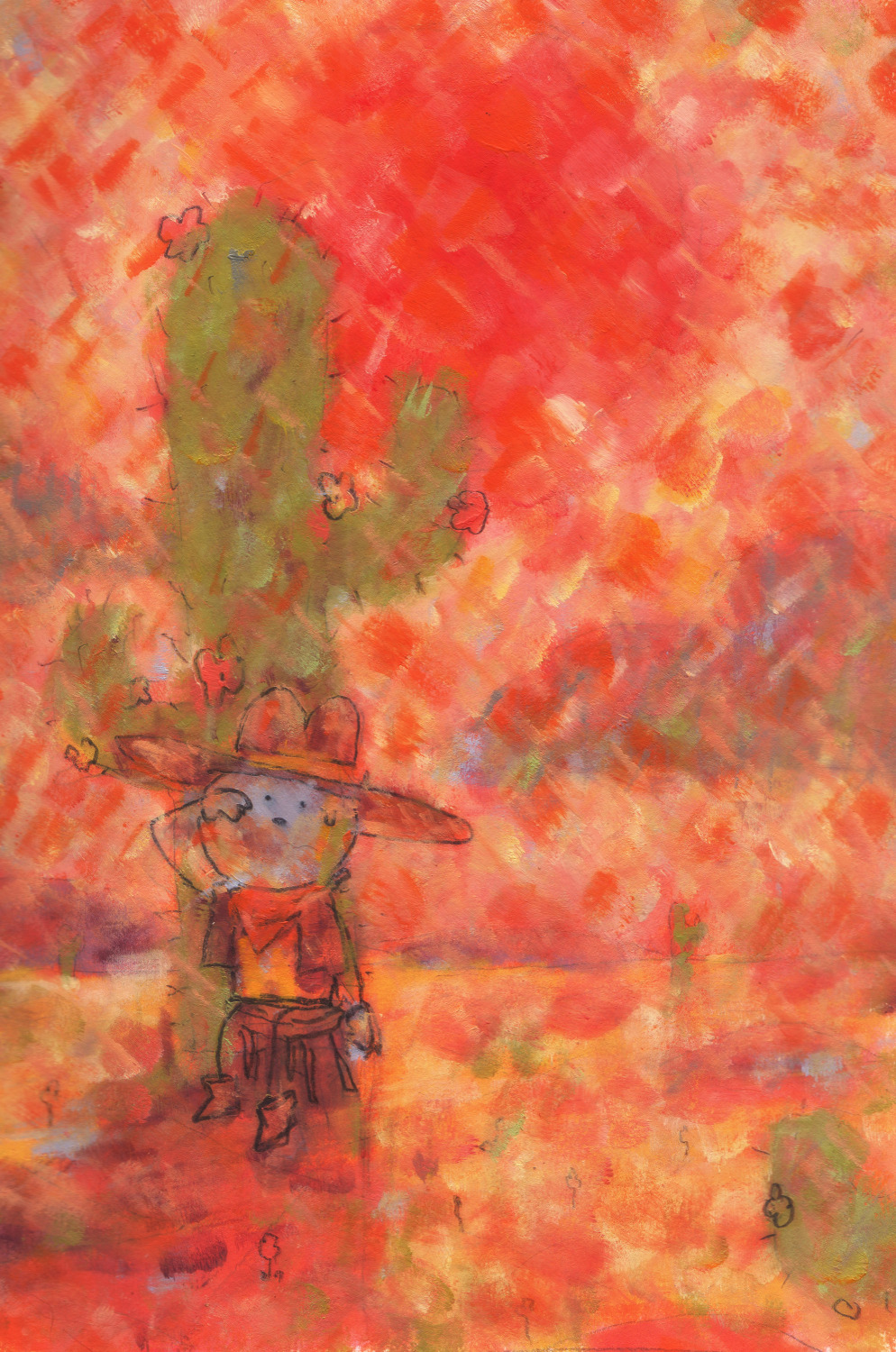
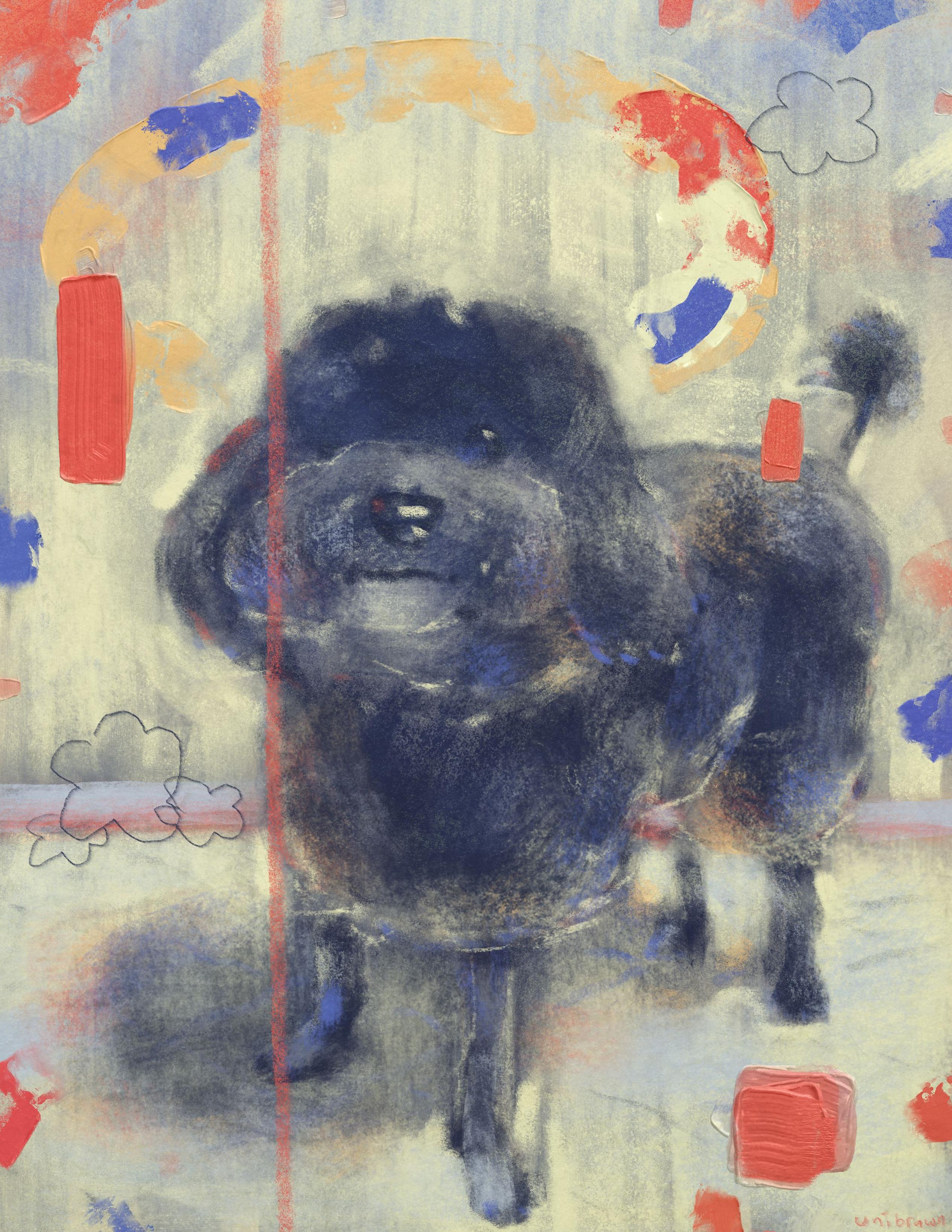
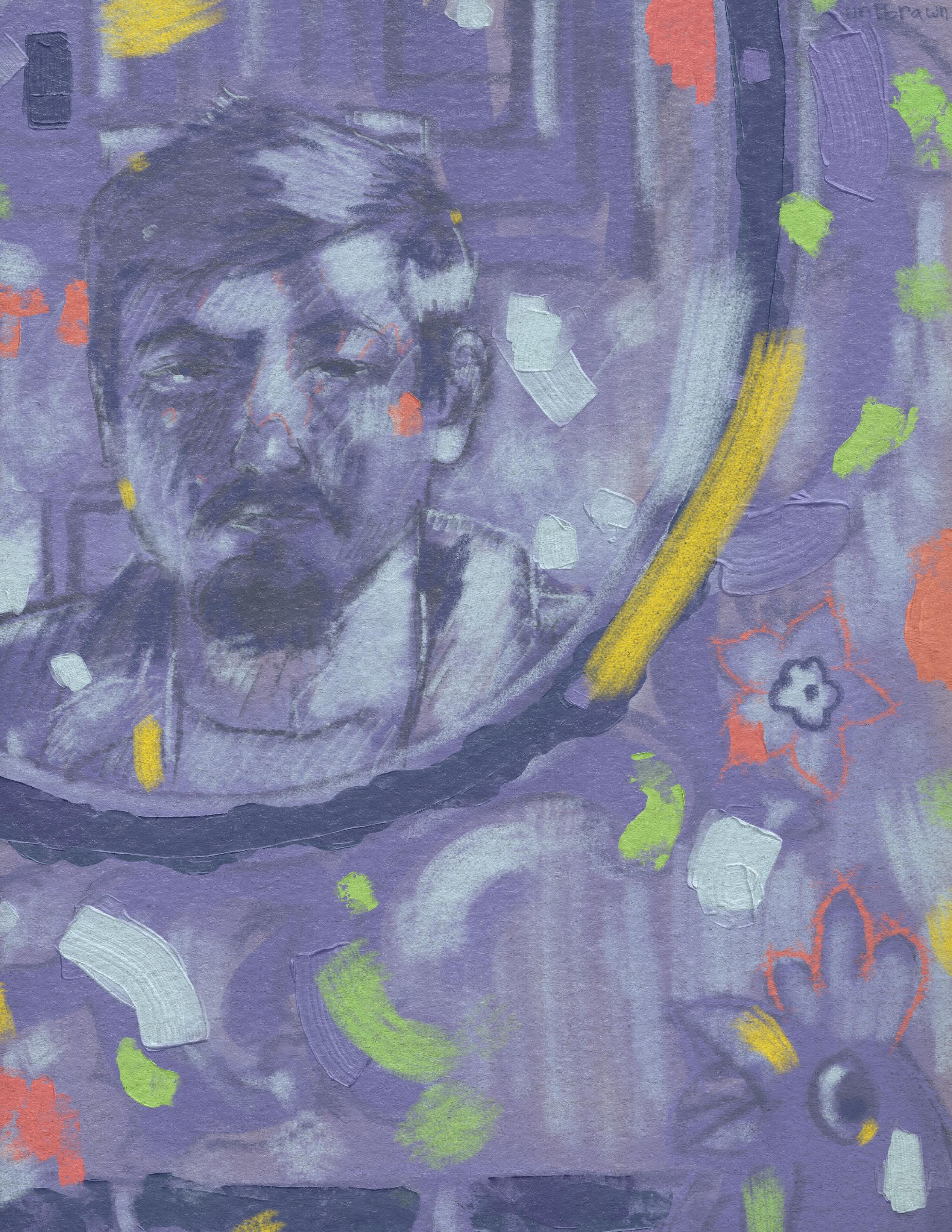
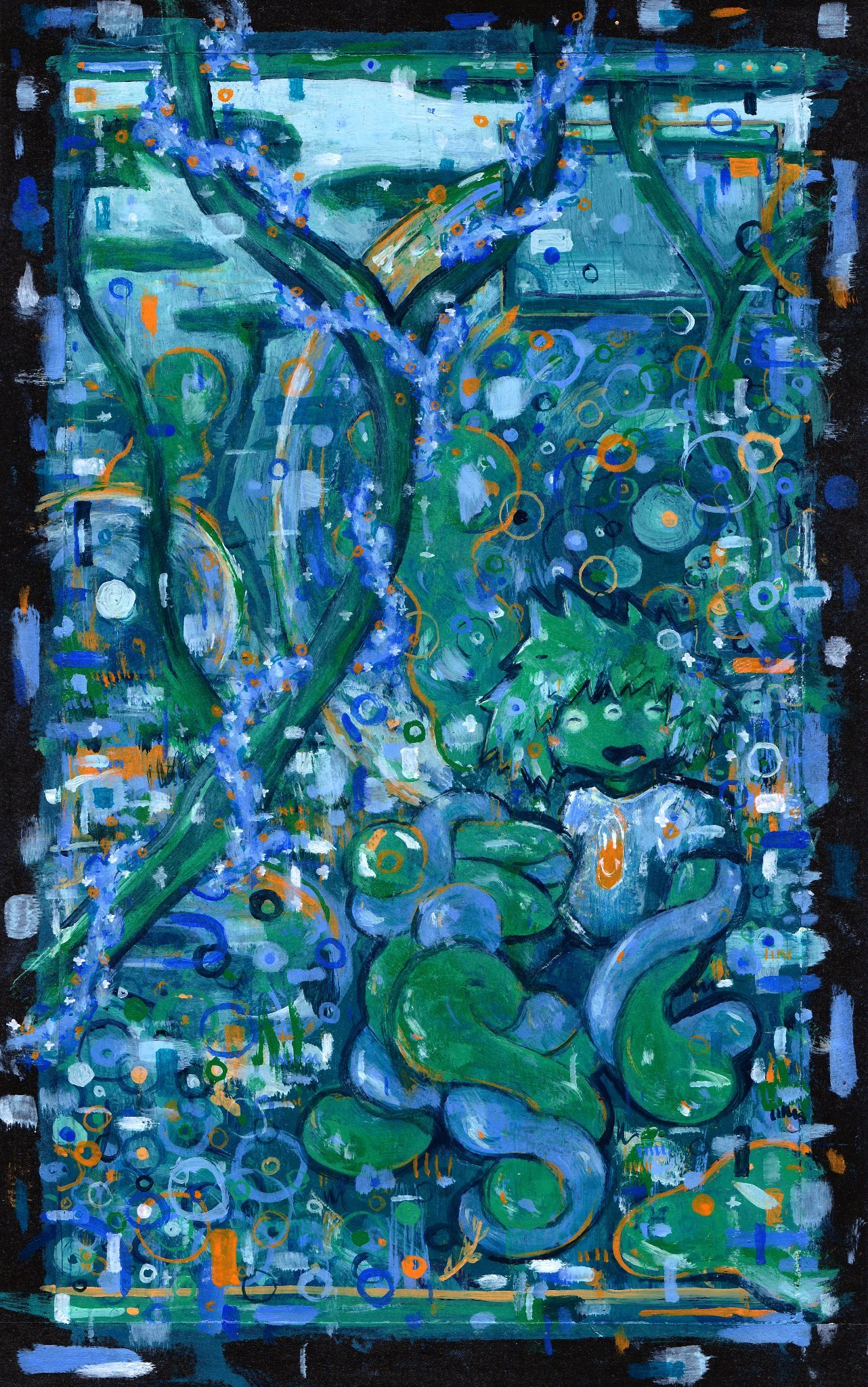
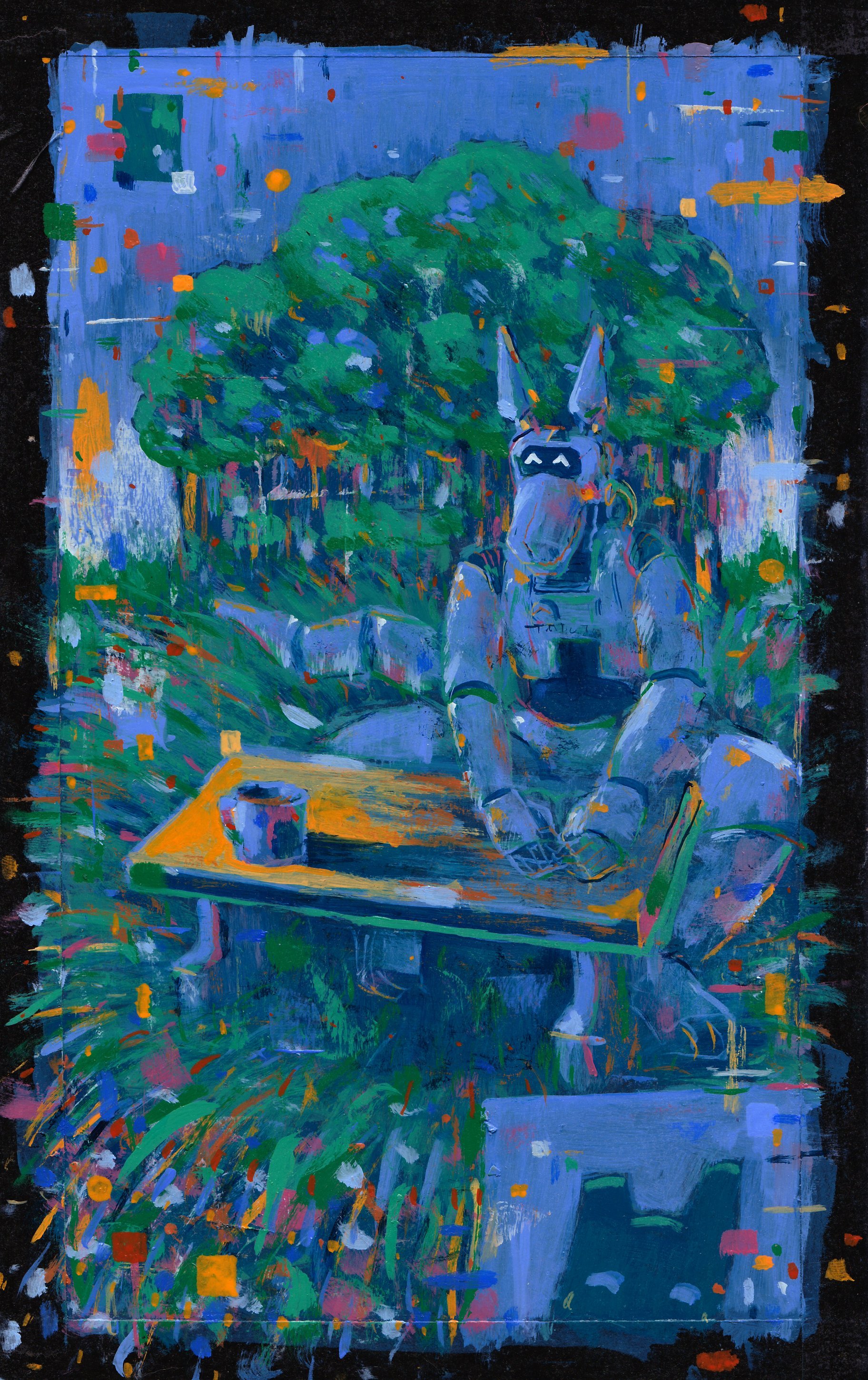
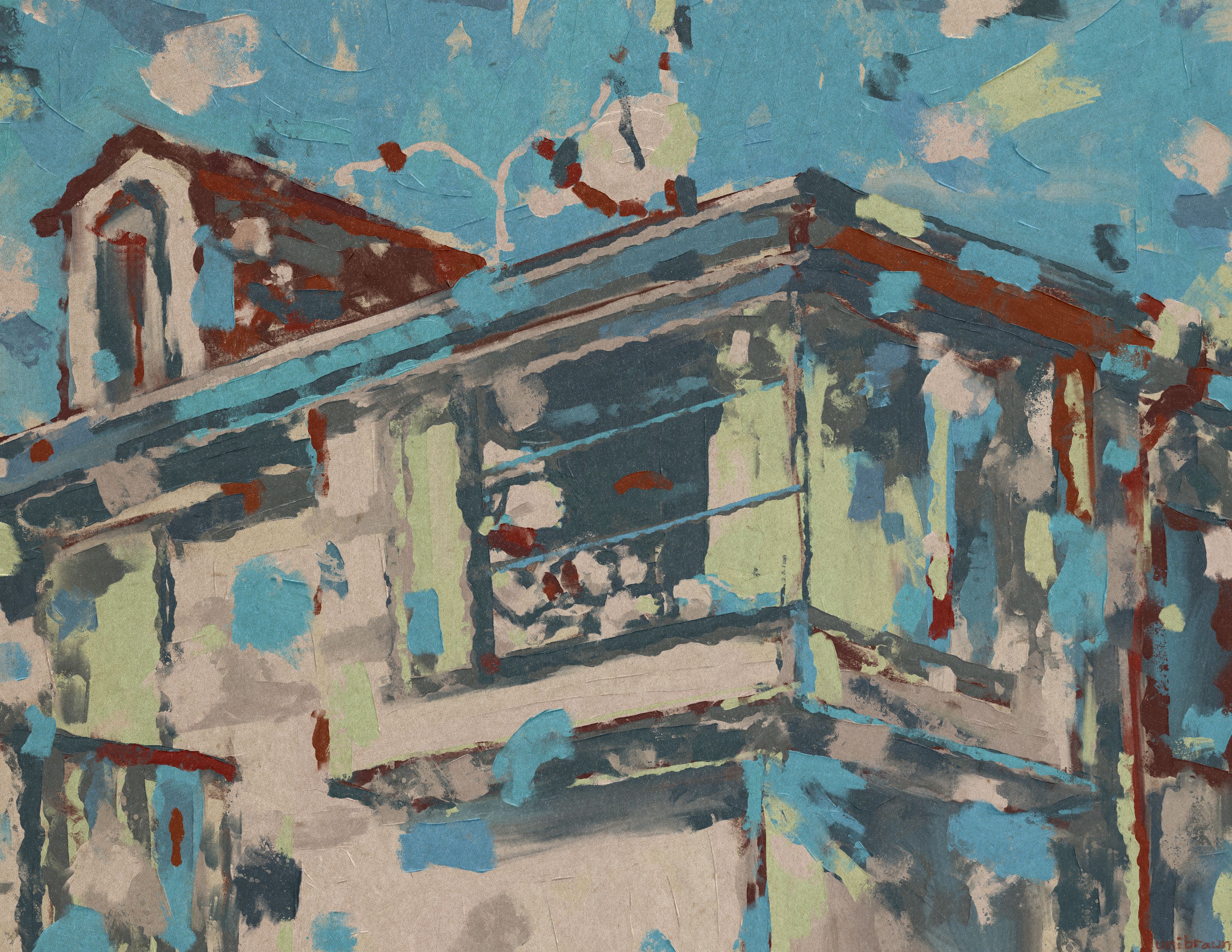
My work lives in a series of multimedia sketchbooks I've been adding to daily for years. Each book gets as much time as it takes for every page to become a resolved image: some paintings take an hour, some I've been adding to and painting over for years. The nineteenth book was finished in 2024, and the digital paintings I make alongside them are worked the same way, slowly, over the same subjects, with the same marks. All of it rests on observation. The core of my practice is a lifelong commitment to looking closely and finding a language for what I see, from life, from art history, and from the pop culture and internet ephemera that fill a life and rarely make it into paint.
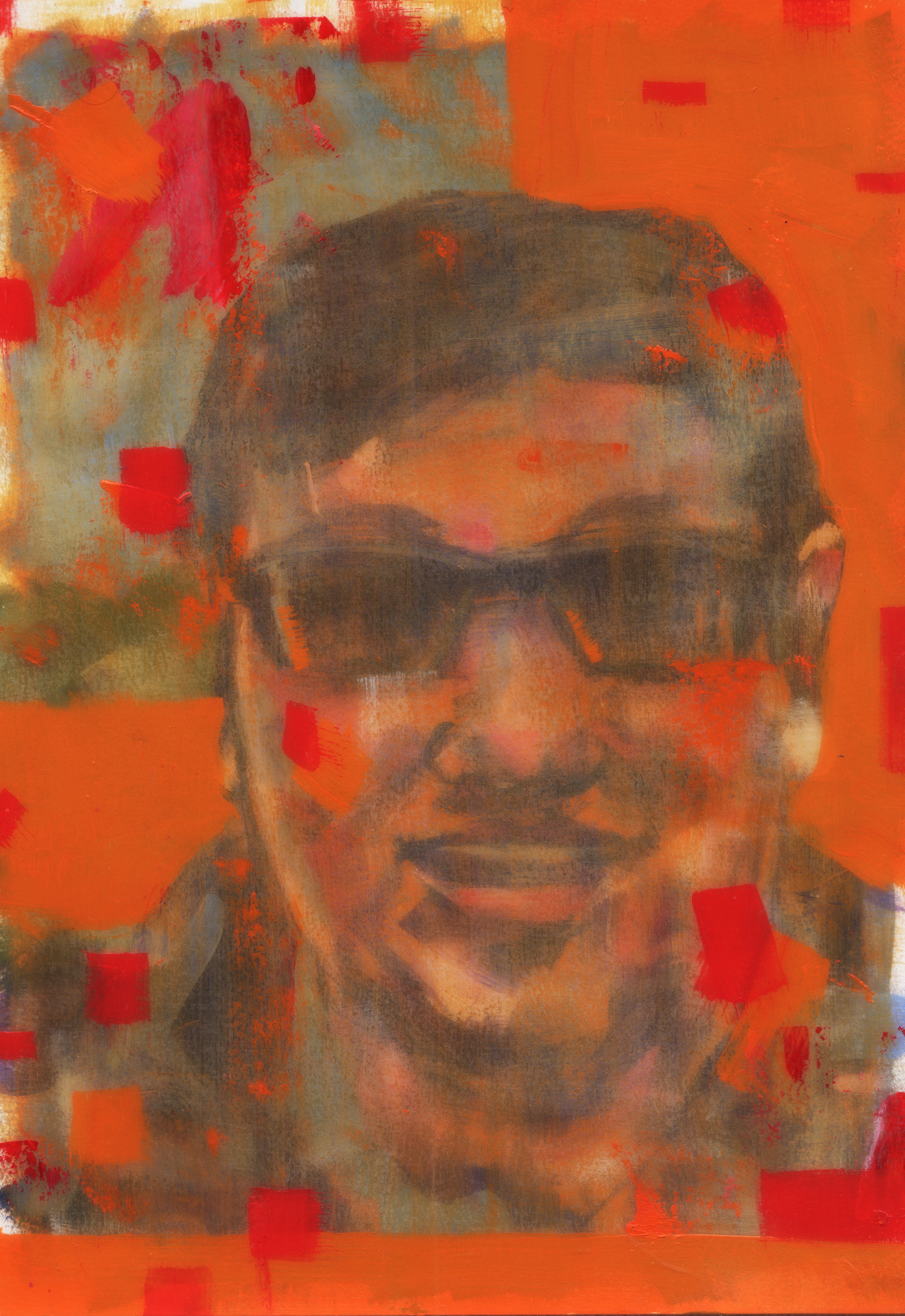
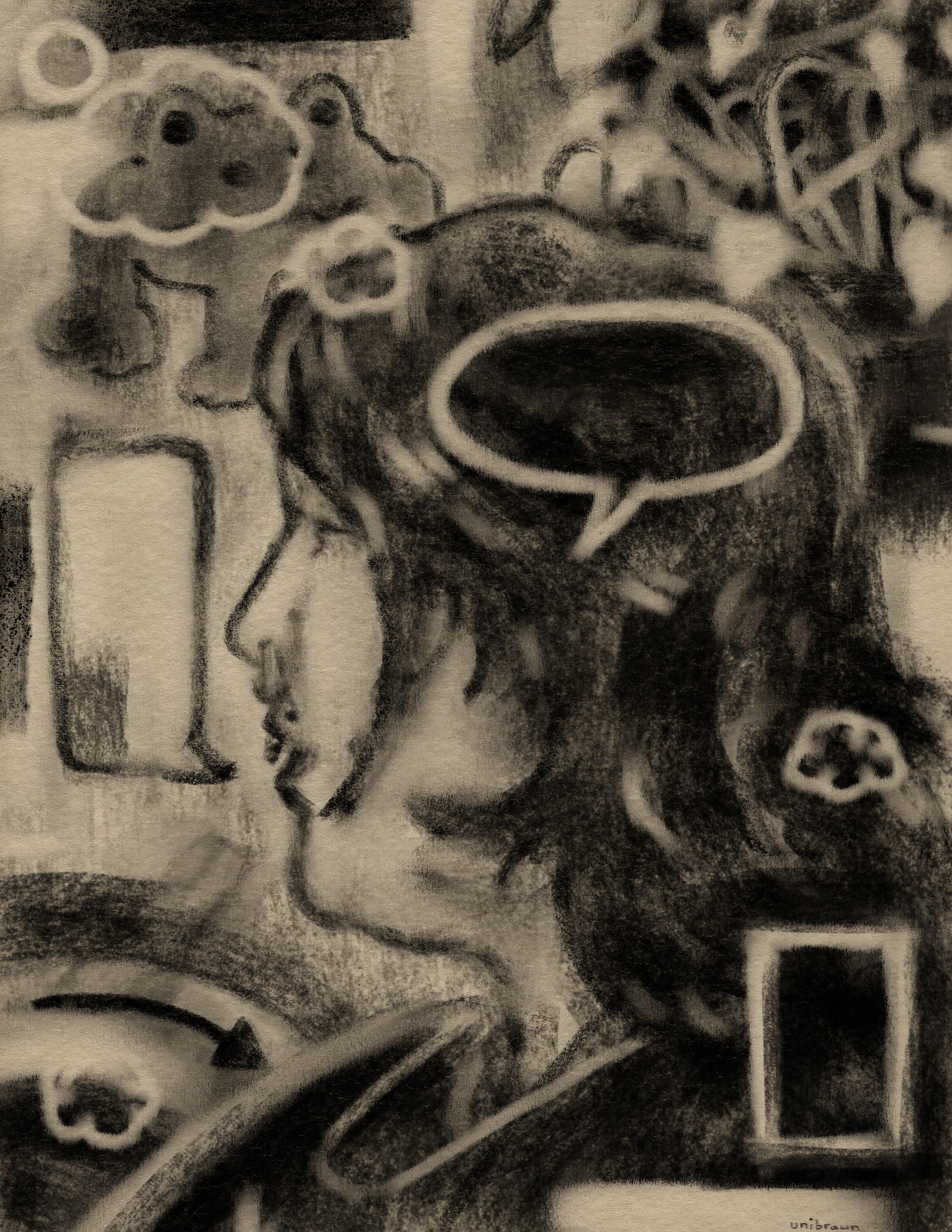
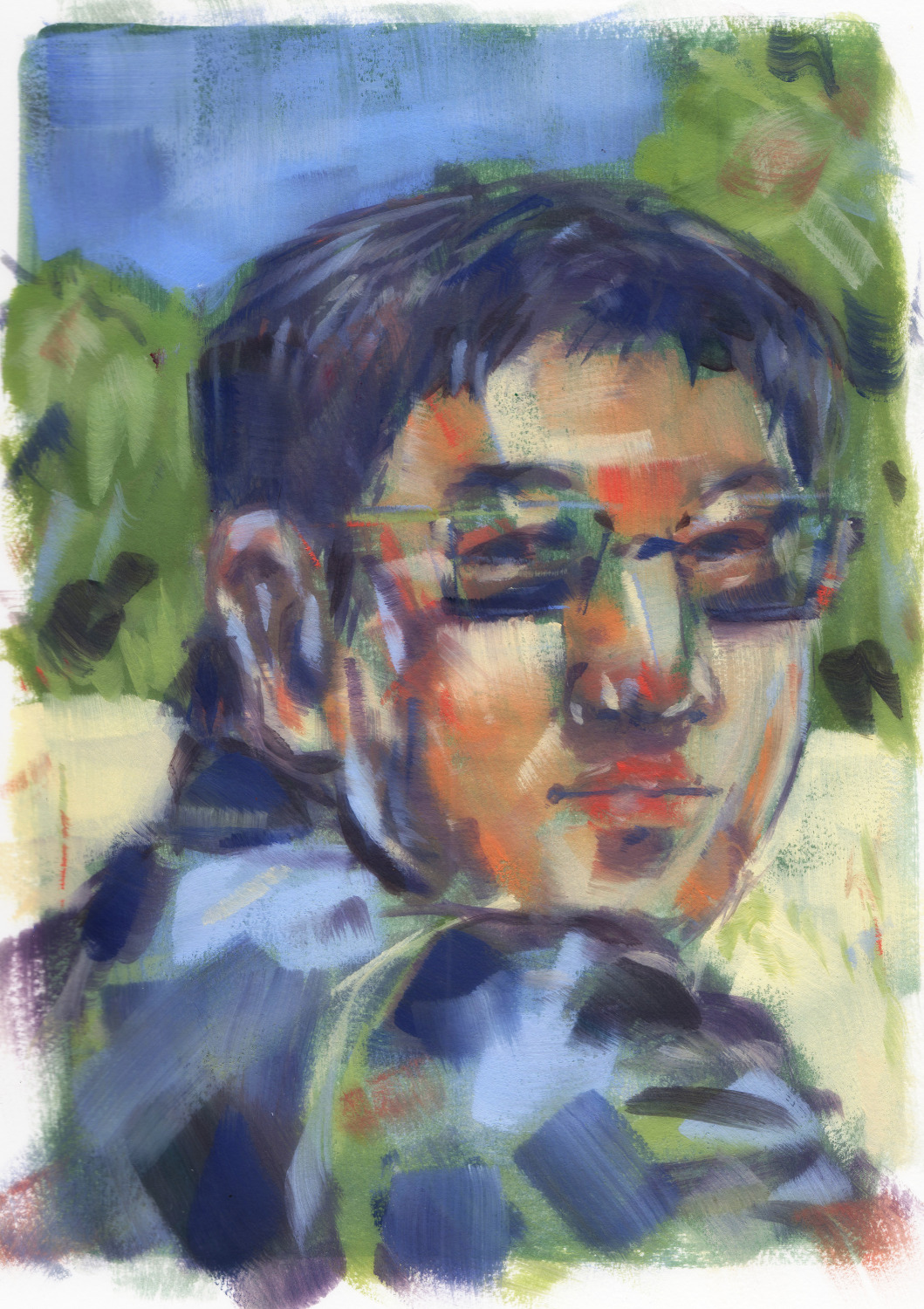
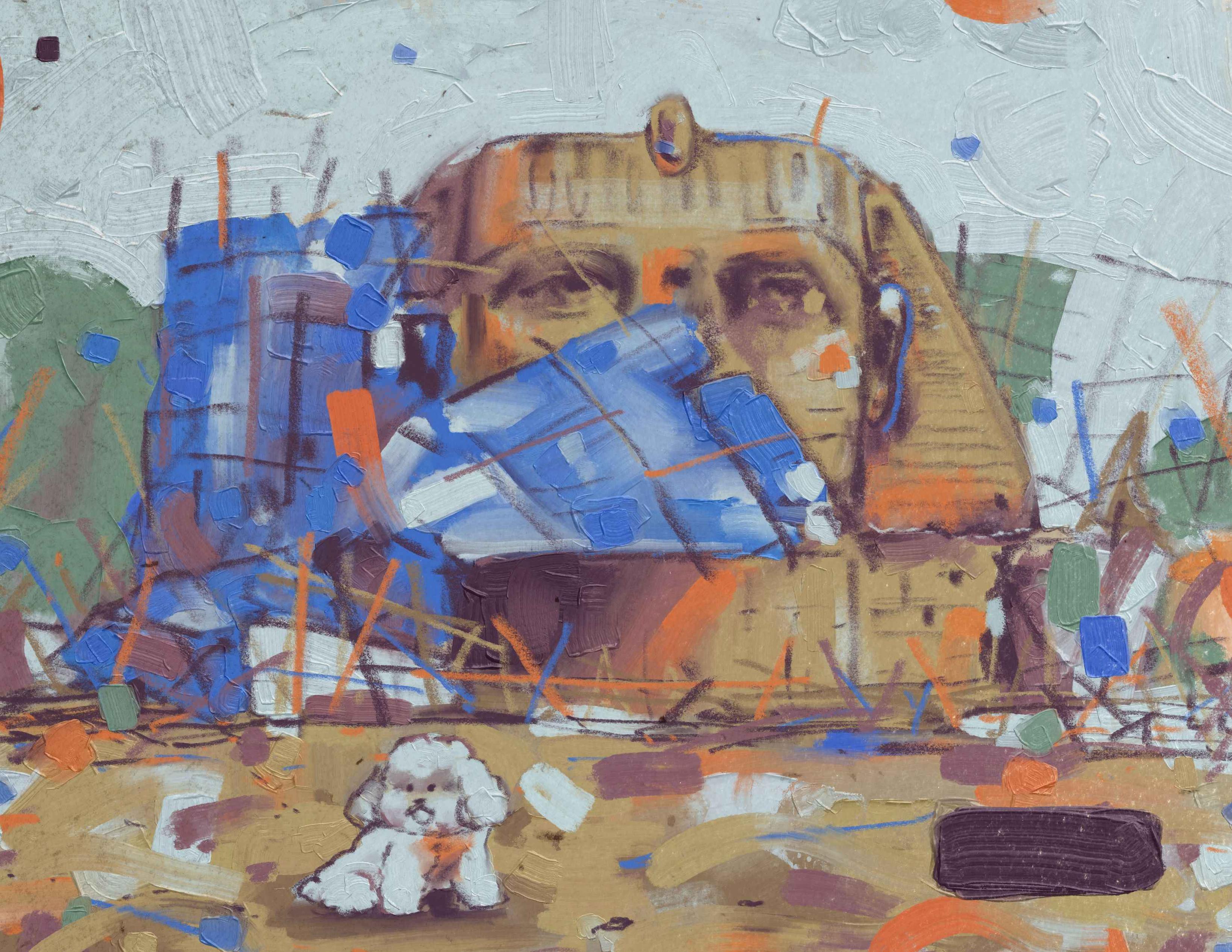
The pictures are built like memories: hazy, half-filled, a fleeting capture of something real rather than an accurate record of it. I was trained academically and keep that structure visible, then break convention on purpose. Running alongside the rigor, and made more obviously intentional by it, is a desire to embrace the naive: flattened forms, cartoon outlines, vibrant pop color, childlike joy, and a softness of edge that lets a saturated palette stay gentle. I keep the seams showing so the contrast between those languages reads as a choice.
The result is paintings that hold several levels at once: flat and spatial, realistic and graphic, observed and invented, serious and unserious. The cast is mostly stand-ins, animals, plush toys, cartoon characters, and deliberately generic figures, because I need someone in the picture without needing the picture to be about them. A plush dog sits in a still life; a cartoon animal stands in a pastoral landscape; a stern face wears a costume. Formally the paintings share a few habits: a strong figurative center, loose marks and blocks of saturated color over a softly observed form, and enough symbols that a viewer can latch onto some meaning without being handed one.
The same thinking carries into my animation. I don't believe animation needs a story to be worth making; form is content. A simple shape moved with the right timing, texture, and sound can hold as much as a plot, and my films grow out of the same sketchbook habit: small, improvised, drawn and erased and drawn again until they feel full.
The word I keep returning to is play. I want this to be a practice I never finish, and I want the work to ask a viewer's eyes to stay: to wander, to notice what draws them in, and to sit for a minute inside someone else's way of looking, moving from the pull of the surface to the quieter formal work beneath it.